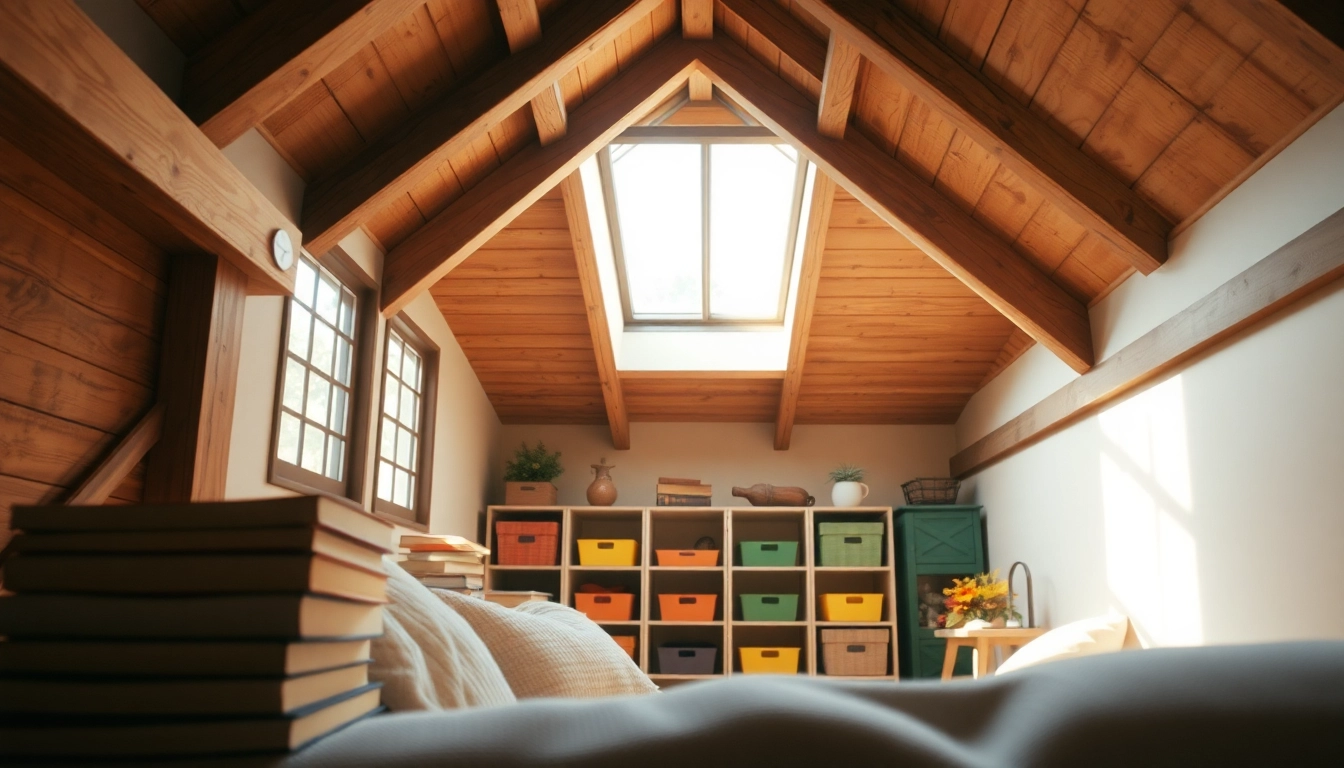
Understanding the Importance of Attics
Attics often become an afterthought in home design, yet they hold potential that can transform your living space. Utilizing your attics effectively can create a wealth of functional and comfortable areas within your home. Whether you’re looking to expand your living area, store seasonal items, or even create a cozy retreat, these often-overlooked spaces can be a treasure trove of possibilities. By looking beyond basic storage and considering innovative design and renovation strategies, attics can greatly enhance the overall value and functionality of your home.
Why Utilize Your Attics?
The primary reason to utilize your attics is to maximize your home’s space efficiently. As real estate prices continue to soar, making the most of every square foot becomes paramount. Attics can serve multiple purposes, from additional storage space to extra rooms that can suit various needs such as guest rooms, home offices, or play areas. Furthermore, attics can provide privacy and separation from the main living areas, making them ideal for independent living spaces or peaceful hideaways.
Common Uses for Attics
There are numerous creative uses for attics. Here are some common examples:
- Guest Room: Convert your attic into a cozy guest suite, providing visitors with private space.
- Home Office: With remote work becoming more common, attics make perfect serene workspaces.
- Playroom: Transform an attic into a safe area for children to play away from the main living spaces.
- Storage Area: Using attics for seasonal or rarely used items helps keep your home organized.
- Hobby Space: Whether it’s crafting, painting, or writing, an attic can be tailored to any creative endeavor.
Assessing Your Attic’s Potential
Before diving into any projects, it’s crucial to assess your attic’s potential. Consider factors such as ceiling height, natural light availability, and accessibility. If the space feels cramped or poorly lit, it may not be suitable for conversion without significant changes. Additionally, evaluating your home’s insulation and ventilation systems will ensure any remodeling adheres to safety and energy efficiency standards.
Design Tips for Attics
Maximizing Space in Attics
Maximizing space in attics begins with smart design choices. To create a functional environment, consider these strategies:
- Multi-Functional Furniture: Use furniture that can serve multiple purposes, such as a fold-out sofa bed or a desk that can be tucked away.
- Vertical Storage Solutions: Leverage the height of your attic by using shelving that reaches up to the ceiling, keeping the floor clear.
- Open Floor Plan: If possible, keep the layout open to allow for light and movement, making the space feel larger.
Choosing the Right Lighting for Attics
Lighting is fundamental in any room, and attics are no exception. A combination of natural and artificial lighting can create a warm and welcoming environment. Here are some tips for choosing the appropriate lighting:
- Maximize Natural Light: Adding skylights or large windows can brighten the space significantly.
- Layered Lighting: Use ambient light for general illumination, task lighting for reading or working, and accent lighting to highlight architectural features.
- Warm LED Fixtures: These fixtures not only save energy but also create an inviting atmosphere.
Color Schemes to Inspire Calm in Attics
The right color palette can affect mood and functionality in attics. Light colors such as soft pastels, cool grays, and off-whites often make small spaces feel airy and open. Consider these elements when selecting colors:
- Light Colors: Using light-toned paint can make the space feel larger and more welcoming.
- Accent Walls: A darker accent wall can provide depth and contrast, making the space visually interesting.
- Textured Materials: Incorporating wood beams or unique textures can add character while maintaining a serene ambiance.
Storage Solutions for Attics
Organizing Seasonal Items in Attics
Seasonal items can easily clutter an attic, but with strategic organization, you can make the most of this storage space. Here are some practical tips:
- Clear Bins: Use clear bins to store items, allowing you to easily see what’s inside without opening each one.
- Labeling: Clearly label all storage bins to simplify retrieval of seasonal gear.
- Use of Vertical Space: Store less frequently used items on higher shelves, reserving lower ones for frequently accessed gear.
Creating a Functional Layout in Attics
When organizing your attic for storage, a functional layout is key. Here’s how to create one:
- Zone Division: Create specific zones for different types of items such as decorations, clothing, and equipment.
- Frequent Access Areas: Place items you use most often closer to the entrance for convenience.
- Accessibility: Ensure that heavy or bulky items are accessible without needing to move other things around.
Smart Storage Products for Attics
Investing in smart storage products can make your attic both functional and organized. Products to consider include:
- Storage Ottomans: These can hold items while providing extra seating.
- Hanging Organizers: Ideal for seasonal clothing or accessories, saving floor space.
- Rail Systems: These allow for adjustable shelving to meet your changing storage needs.
Renovating Attics for Added Value
Planning Your Attics Renovation
Renovating your attics can significantly increase your home’s value. Here are the essential planning steps:
- Define Purpose: Have a clear idea of what you want to achieve with your renovation—storage, living space, etc.
- Budgeting: Establish a realistic budget that includes potential hidden costs.
- Permits: Be aware of local building codes and ensure you obtain any necessary permits.
Budgeting for Attics Updates
Budgeting effectively for attic updates will ensure your renovation stays on track. Keep these elements in mind:
- Breakdown Costs: Itemize costs for materials, labor, and unexpected expenses.
- Contingency Fund: Set aside 10-20% of your renovation budget for unforeseen issues.
- Value Assessment: Research how similar renovations in your area have impacted home values.
Hiring Professionals for Attics Renovation
While DIY renovations can be rewarding, professional assistance can ensure safety and compliance with building codes. Consider the following:
- Check Credentials: Verify the qualifications and experiences of any contractors.
- Get Multiple Quotes: Compare quotes from different professionals to ensure fair pricing.
- Ask for References: Reach out to past clients to understand the contractor’s work quality and reliability.
Maintaining Your Attics
Regular Inspections of Attics
Regular inspections are essential for maintaining attics in optimal condition. Aim to conduct inspections at least once a year. During each inspection, check for signs of moisture, pests, or insulation issues that could affect the overall health of your home.
Dealing with Attics Insulation Issues
Proper insulation is critical for temperature regulation and energy efficiency. If you notice drafts or inconsistent temperatures, it may indicate that your insulation needs upgrading. Reassess your insulation material, and consider adding more or replacing it with higher quality options as needed.
Cleaning and Upkeeping Attics
Keeping your attics clean is essential to prevent clutter, mold, and mildew. Consider these upkeep tips:
- Organize Regularly: Set a schedule for seasonal cleanups and reorganization.
- Dust and Vacuum: Regularly dust surfaces and vacuum floors to reduce allergens.
- Check for Pests: Keep an eye out for signs of pests and address any infestations immediately.
FAQs About Attics
What can I use my attics for?
Your attics can serve as storage spaces, offices, or cozy reading nooks, tailored to your needs.
How do I maximize space in my attics?
Utilize multifunctional furniture and vertical storage solutions to optimize the available space efficiently.
What lighting works best for attics?
Natural lighting complemented with warm LED fixtures creates a bright and inviting atmosphere in attics.
How often should I inspect my attics?
Inspect your attics at least once a year to ensure insulation and roofing are in good condition.
Can I renovate my attics myself?
Yes, but hiring professionals is recommended to ensure safety and adherence to building codes.