
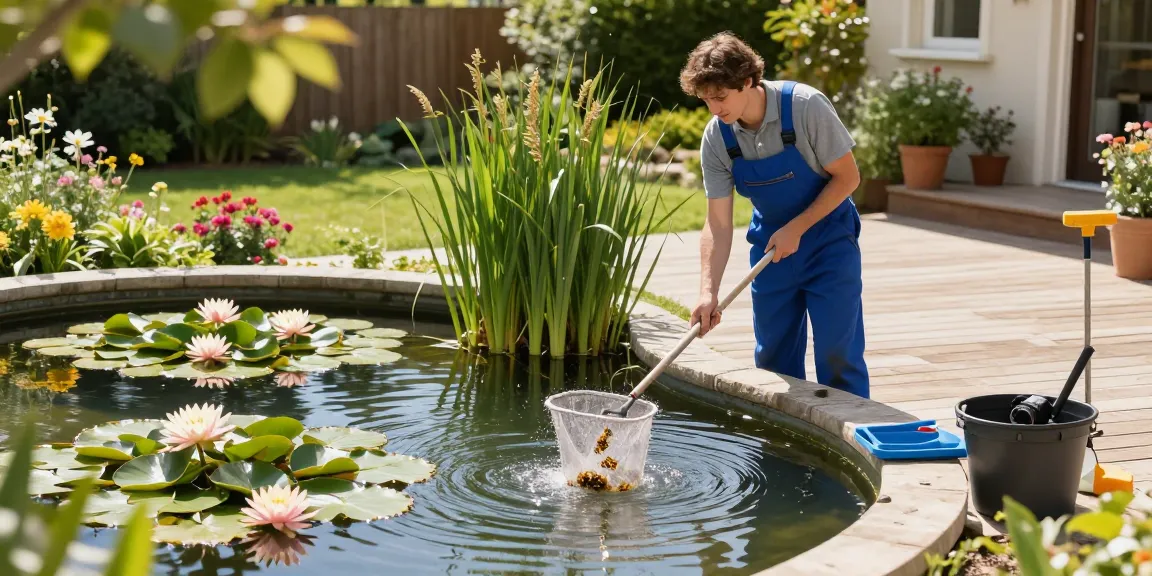
Understanding the Importance of Pond Cleaning in London
Pond cleaning is not just a beneficial practice; it’s an essential service that every pond owner in London should prioritize. As urban environments expand, the ecological balance of local ecosystems, including ponds, faces significant challenges. Regular cleaning helps maintain water quality, supports aquatic life, and enhances the aesthetic appeal of your garden. When exploring options, Pond Cleaning London services can provide comprehensive insights into maintaining a healthy aquatic environment.
What is Pond Cleaning and Why is it Essential?
Pond cleaning involves the removal of accumulated debris, algae, and sediment from the pond’s bottom and sides. Essential components of pond care include regular water quality checks, treating harmful algae blooms, and ensuring the health of fish and plants. Neglecting these tasks can lead to poor water quality, which can harm aquatic life and create unsightly conditions that may deter visitors.
Common Challenges Faced by Pond Owners in London
Pond owners in London often encounter various challenges, including:
- Pollution: Runoff from streets and gardens can introduce contaminants.
- Algae Growth: Excess nutrients from fertilizers can lead to rapid algae growth, choking the pond ecosystem.
- Fish Health: Poor water conditions can lead to stress and disease among fish.
- Seasonal Changes: Leaves and debris can clog the pond in the fall, creating a breeding ground for harmful bacteria.
The Environmental Benefits of a Clean Pond
Maintaining a clean pond benefits not only homeowners but also the surrounding ecosystem. Clean ponds provide critical habitat for various species, help manage stormwater, and support biodiversity. Additionally, they serve as aesthetic features that enhance property value while contributing to local wildlife preservation.
How Often Should You Schedule Pond Cleaning?
The frequency of pond cleaning depends largely on the size of your pond and the surrounding environment. Regular maintenance ensures a healthy ecosystem and avoids costly restorations. Understanding your pond’s needs will help you schedule cleanings effectively.
Seasonal Cleaning: Best Practices for Optimal Care
For optimal pond health, seasonal cleaning is recommended:
- Spring: Remove debris accumulated over winter, check pump systems, and ensure the pond is ready for the fish to thrive.
- Summer: Monitor algae levels and perform partial water changes to maintain balance.
- Autumn: Clear leaves and organic matter to prevent decay during winter.
- Winter: Conduct light clean-ups and check for ice formation, ensuring fish can breathe.
Signs That Your Pond Needs Immediate Attention
Recognizing when your pond requires immediate cleaning is crucial. Key indicators include:
- Unusual odors emanating from the water.
- Visible algae blooms or excessive plant growth.
- A sudden increase in fish deaths or poor fish health.
- Cloudy or murky water conditions.
Frequency Recommendations for Different Pond Sizes
Cleaning schedules vary according to the pond size:
- Small Ponds (under 500 sq ft): Clean twice a year.
- Medium Ponds (500 – 1,000 sq ft): Clean at least three times a year.
- Large Ponds (over 1,000 sq ft): Monthly inspections with cleanings as needed.
Choosing the Right Pond Cleaning Service in London
Selecting a professional pond cleaning service is essential for maintaining your pond’s health. Not all services are created equal, and doing your research can save time and money in the long run.
What to Look for in a Professional Service Provider
When choosing a pond cleaning service, consider the following:
- Experience: Look for companies with a proven track record in the industry.
- Certifications: Ensure they hold necessary licenses and certifications.
- Customer Reviews: Read testimonials and reviews to gauge previous customer satisfaction.
- Comprehensive Services: Opt for services that offer additional pond maintenance, such as water quality testing and fish health checks.
Comparing Service Costs and Packages
Understanding the costs associated with pond cleaning services is crucial. Prices can vary widely based on:
- Pond size and complexity.
- Frequency of service.
- Types of services included in the package.
Generally, smaller ponds may cost between £350 and £450 for regular maintenance, while medium ponds might range from £450 to £600, depending on specific needs.
Essential Questions to Ask Before Hiring
Before finalizing your choice, ensure you ask potential service providers:
- What services are included in your cleaning package?
- Do you offer any guarantees or warranties?
- What methods and products do you use?
- How do you handle fish and plant safety during the cleaning process?
Pond Cleaning Techniques: Do-It-Yourself vs. Professional Services
While some pond owners may feel comfortable handling cleaning tasks themselves, understanding the pros and cons of DIY versus professional services is essential.
Step-by-Step Guide for DIY Pond Cleaning
If you choose to clean your pond yourself, follow these steps:
- Remove any visible debris using a net or rake.
- Drain the pond partially if necessary, but ensure you leave some water for your fish.
- Clean the pond’s bottom and sides with a brush or scraper.
- Replace the water, treating it if required for chlorine levels.
- Reintroduce fish carefully and monitor their health afterward.
When to Call in Professionals for Support
There are specific situations when it’s wiser to hire professionals, such as:
- Extensive algae infestations that require specialized treatments.
- Dealing with hazardous materials like chemicals or large debris.
- Lack of time or expertise to manage cleaning effectively.
Common Mistakes to Avoid in Pond Maintenance
Many pond owners make mistakes that can compromise pond health. Common pitfalls include:
- Neglecting to monitor water quality regularly.
- Using inappropriate cleaning chemicals that harm aquatic life.
- Failing to remove seasonal debris in a timely manner.
- Overfeeding fish, leading to excess waste and nutrient build-up.
Future Trends in Pond Care and Maintenance for 2026
As we move further into 2026, several trends are emerging in pond care that homeowners should consider. Keeping up with these trends can enhance pond health and aesthetics while promoting sustainability.
Innovations in Eco-Friendly Pond Cleaning Solutions
There is a growing trend towards eco-friendly pond cleaning solutions that minimize chemical use while maximizing effectiveness. Natural cleaning agents and biological treatments are becoming increasingly popular, promoting healthier ecosystems.
How Climate Change is Affecting Pond Care Practices
Climate change is having a significant impact on water quality and pond management practices. Increased temperatures can lead to more algae blooms, requiring more intensive maintenance. Understanding these changes is critical for effective pond management.
Anticipating the Needs of Future Pond Owners
Future pond owners will likely prioritize sustainable practices and innovative technologies to ensure their ponds remain vibrant and healthy. Educational resources and community-based solutions will play a vital role in this transformation.
Frequently Asked Questions
How much does it cost to clean a pond in London?
The cost can vary significantly based on the size of the pond and level of service required. Expect to pay anywhere from £350 to £600, depending on specific needs.
How often should a garden pond be cleaned?
Regular cleaning should occur at least twice a year, with additional attention during peak seasons to manage algae and other organic buildup.
What equipment is used in professional pond cleaning?
Professionals typically use vacuums, nets, pumps, skimmers, and eco-friendly cleaning agents to maintain pond health.
Can I clean my pond on my own?
Yes, many pond owners successfully clean their ponds themselves using proper techniques and tools, though professional assistance may be needed for complex issues.
Are there eco-friendly cleaning options available?
Absolutely! Many companies now offer environmentally friendly cleaning solutions that use natural agents to maintain pond health without harming aquatic life.


