
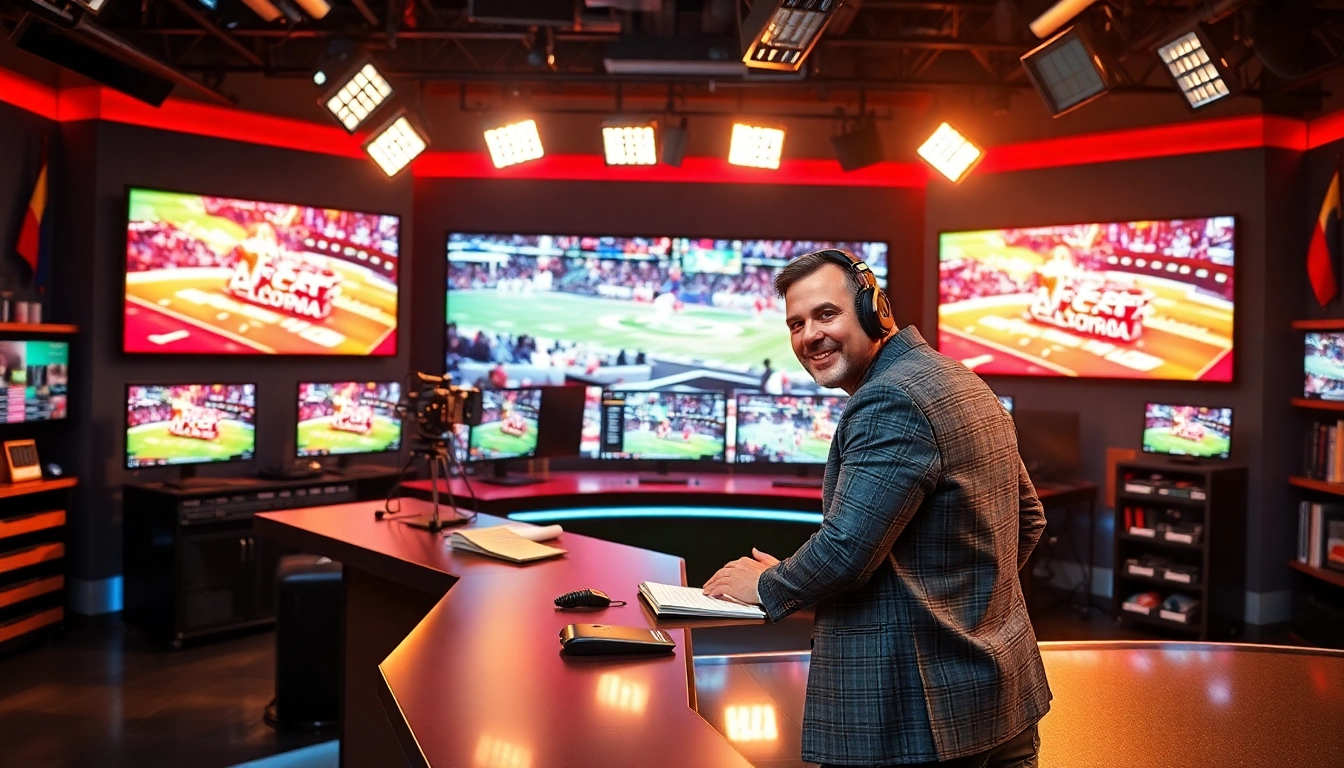
Understanding Sports Broadcasting
Sports broadcasting has transformed dramatically over the years, evolving from simple radio broadcasts to complex multi-platform media strategies. Whether it’s the thrill of live game commentary or the in-depth analysis during halftime shows, the essence of sports broadcasting lies in its ability to engage audiences. This not only entertains but also fosters community and loyalty among fans. Understanding the fundamentals of Sports Broadcasting is crucial for anyone looking to delve into this vibrant industry.
What is Sports Broadcasting?
Sports broadcasting refers to the live or recorded transmission of sporting events over television, radio, or internet platforms. It includes various formats such as live commentary, highlights, and pre-and post-game analyses. The primary goal is to bring the excitement of live sports to fans, no matter where they are located. Sports broadcasters work to create narratives around events, offering commentary that enhances viewer experience and understanding of the game.
The Evolution of Sports Broadcasting
The journey of sports broadcasting began in the early 20th century with radio broadcasts of boxing matches and baseball games. As technology advanced, television became the new frontier, with the first televised cricket match in the UK in 1938. The sports broadcasting landscape has evolved further with the introduction of cable networks, satellite broadcasting, and now, digital streaming platforms. The rise of social media has also played a significant role in shaping how sports are broadcasted, offering real-time updates and interactions with fans globally.
Importance of Sports Broadcasting in Modern Media
In today’s media landscape, sports broadcasting holds immense cultural and commercial value. It has become a pivotal part of advertising strategies, drawing in huge audiences that brands eagerly target. Sports networks provide a platform not only for showcasing athletic talent but also for promoting discussions around key social issues. Furthermore, the interactive nature of modern sports broadcasting fosters community, making fans feel like a part of the action.
Key Components of Effective Sports Broadcasting
Essential Equipment for Sports Broadcasting
To produce quality sports broadcasts, a range of equipment is necessary. This includes high-definition cameras, microphones, and specialized broadcasting software that allow for seamless streaming and sound. Cameras used in sports broadcasting must be capable of capturing fast-moving scenes, while microphones should withstand outdoor conditions and capture clear audio even in noisy environments. Additionally, mobile broadcasting units and editing suites play crucial roles in producing polished broadcasts.
Role of Technology in Enhancing Broadcast Quality
Technology has revolutionized sports broadcasting by enabling high-definition and 4K streaming, providing viewers with sharp and precise visuals. Innovations like drone cameras and GoPro devices allow broadcasters to capture unique angles and immersive views of the game. Moreover, data analytics tools assist commentators in offering in-depth game analyses, enhancing viewers’ understanding of player performance and strategies. Enhanced graphics and augmented reality integrations also bring a unique dimension to broadcasts.
Understanding Broadcasting Regulations and Ethics
Sports broadcasters must navigate a variety of legal regulations. This includes acquiring broadcasting rights, adhering to copyright laws, and ensuring accurate representation of events. Ethical considerations, such as fair commentary and impartiality, are essential to maintain credibility. Furthermore, broadcasters must respect the integrity of the game by avoiding conflicts of interest and ensuring that their coverage does not impact the sporting outcomes.
Techniques for Engaging Sports Broadcasting
Storytelling in Sports Broadcasting
Storytelling is at the heart of successful sports broadcasting. Broadcasters gain audience engagement by narrating the background of players, pivotal moments in history, and the stakes of the games. Effective storytelling makes the coverage relatable and helps fans connect with athletes on a personal level. By weaving narratives that highlight drama, emotion, and human interest, broadcasters can elevate the viewing experience and draw in broader audiences.
Building Audience Interaction and Engagement
Engaging audiences goes beyond merely delivering updates; it’s about creating an interactive experience. This can be achieved through social media integration, encouraging real-time discussions and audience polls during broadcasts. Using platforms like Twitter or Instagram, broadcasters can foster dialogue and community among fans. Furthermore, incorporating user-generated content adds another layer of engagement, making viewers feel more connected to the broadcast.
Navigating Live Commentary Solutions
Effective live commentary requires not just knowledge of the sport but also the ability to react quickly and adapt. Commentators should focus on providing insights while also delivering an entertaining narrative. Tools like real-time stats and data feeds can support commentators in providing accurate and timely information. Training and practice are essential to improve delivery and pacing, ensuring the audience remains engaged throughout the event.
Challenges in Sports Broadcasting
Common Pitfalls in Sports Broadcasting
While sports broadcasting can be rewarding, it is not without its challenges. Common pitfalls include technical difficulties, which can disrupt live broadcasts and lead to viewer frustration. Additionally, failing to prepare adequately for commentary can result in uninformed analysis that diminishes the viewer experience. Broadcasters must learn to thrive under pressure, developing strategies to mitigate these risks effectively.
Adapting to Rapid Changes in Technology
The pace of technological advancement in broadcasting poses both challenges and opportunities. Broadcasters must continuously adapt to new software, hardware, and broadcasting platforms. This requires ongoing training and education to ensure that teams are equipped with the latest skills and knowledge. Staying ahead in technology allows broadcasters to meet audience expectations and leverage the latest trends in viewing habits.
Dealing with Broadcasting Rights and Licenses
Broadcasting rights present a complex landscape for sports broadcasters. Securing these rights can be challenging and often involves negotiations that can become contentious. Maintaining good relationships with governing bodies and leagues is essential, as it impacts access and content sharing. Furthermore, understanding the legal implications of licensing agreements is critical to avoid potential lawsuits and financial penalties in the broadcasting environment.
Measuring Success in Sports Broadcasting
Key Performance Indicators in Sports Broadcasting
Measuring success in sports broadcasting relies heavily on identifying and tracking Key Performance Indicators (KPIs). Essential metrics include viewership numbers, audience retention rates, and digital engagement statistics. These KPIs help broadcasters analyze their reach and effectiveness, guiding decisions for future broadcasts. Establishing baseline performance metrics allows broadcasters to set goals for improvement and gauge success over time.
Analyzing Audience Metrics and Feedback
Understanding audience metrics goes hand in hand with success measurement. Analyzing demographic information, viewer ratings, and feedback can provide insights into what works and what doesn’t. Tools for gathering audience feedback could include surveys and social media engagement analytics. Taking actionable insights from this data is crucial for tailoring content to fit audience preferences and enhancing viewer satisfaction.
Continual Improvement and Feedback Loops
Implementing feedback loops allows broadcasters to continuously improve their content. Regularly integrating viewer feedback and performance metrics into planning sessions can facilitate ongoing enhancements. Reasons for low viewer numbers, audience disinterest, or lack of interaction can all be addressed through thoughtful evaluation. Prioritizing continual improvement helps in staying relevant to audiences in a competitive sports media landscape.
FAQs about Sports Broadcasting
What roles are involved in sports broadcasting?
Roles often include commentators, analysts, camera operators, and production staff, each contributing to a seamless broadcast.
How can I get started in sports broadcasting?
Consider pursuing a degree in media, communications, or journalism, and seek internships in sports media for hands-on experience.
What technologies are essential for sports broadcasting?
Essential technologies include HD cameras, broadcasting software, and audio equipment, all crucial for quality production.
How do broadcasters handle unexpected events during live games?
Broadcasters prepare for unexpected events with backup plans, quick decision-making skills, and trained personnel to adapt on the fly.
What is the future of sports broadcasting?
The future includes more personalized viewing experiences, integration of augmented reality, and a focus on digital platforms for broader audience reach.