
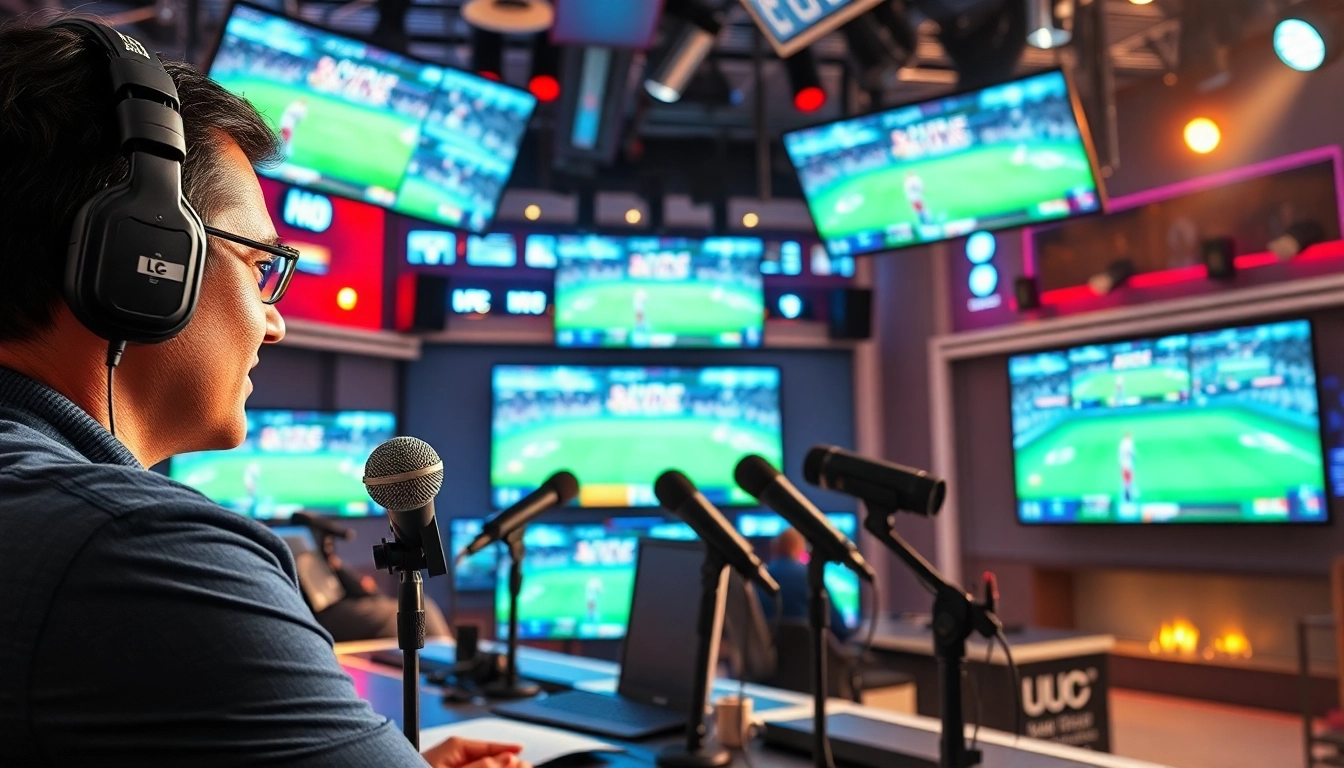
Understanding the Landscape of Sports Broadcasting
Sports broadcasting has transformed the way audiences engage with their favorite games and athletes. This medium encompasses live television coverage, streaming services, radio broadcasts, and digital media platforms. As sports fans seek a deeper connection and understanding of the games they love, the demand for high-quality sports broadcasting continues to rise. Those passionate about this field should familiarize themselves with key concepts that shape its current and future trajectory. For insight into the evolving nature of Sports Broadcasting, you might find this Sports Broadcasting resource invaluable.
Defining Sports Broadcasting
At its core, sports broadcasting refers to the transmission of sports-related content to an audience via various channels. This includes commentary, analysis, features, and interviews designed to inform, engage, and entertain viewers. The medium plays a vital role in bringing sports experiences into homes and helping fans follow their favorite teams and players. It encompasses live events, pre- and post-game shows, and analysis segments, enriching the overall sports experience.
Key Players in the Industry
The sports broadcasting industry comprises multiple stakeholders. Key players include networks, cable providers, streaming platforms, and independent broadcasters. Major players often negotiate broadcasting rights with leagues and franchises to deliver live games. Additionally, analysts, commentators, and production teams contribute to the creation of engaging content that resonates with audiences, enhancing fan experiences.
Evolution of Sports Broadcasting Technology
The technology behind sports broadcasting has progressed significantly over the years. From black-and-white television broadcasts to high-definition screens and now, immersive streaming options, technological innovations continue to alter the landscape. Graphical enhancements, instant replay features, and augmented reality applications allow broadcasters to deliver engaging narratives, giving viewers a front-row experience no matter where they are.
Essential Skills for Sports Broadcasters
Communication and Presentation Techniques
Effective communication is paramount in sports broadcasting. Broadcasters must convey information clearly and engagingly, capturing the excitement of live events. Mastering presentation techniques, including voice modulation, pacing, and visual storytelling, helps build a strong connection with the audience. Moreover, broadcasters need to adapt their style to suit various sports, becoming knowledgeable about the unique aspects and terminologies that define each game.
Research and Analysis Skills
A successful sports broadcaster must possess excellent research and analytical skills. This involves staying updated with the latest sports news, understanding statistics, and analyzing player performances and team dynamics. Broadcasters must be capable of providing insightful analysis that adds depth to their commentary, which keeps viewers informed and engaged during live events.
Adapting to Different Sports Formats
Each sport has distinct formats, rules, and fan expectations that broadcasters must understand. Adapting commentary styles for different sports, whether it’s fast-paced basketball, strategic baseball, or explosive football, ensures that the broadcaster meets the audience’s needs. Being versatile and cultured in various sports will enable broadcasters to cater effectively to a diverse audience.
Creating Compelling Content in Sports Broadcasting
Building Storylines Around Live Events
To create engaging content, broadcasters should focus on developing narratives around live events. Highlighting player rivalries, team histories, and significant moments can elevate the viewing experience and make it more relatable. Storytelling enhances the emotional resonance of games, enabling fans to connect more profoundly with the content, thus increasing viewership and loyalty.
Engagement Strategies for Viewers
Engaging viewers involves employing various strategies, such as real-time interaction through social media platforms. Encouraging fan participation during broadcasts through polls or questions fosters a community feel and helps create a more immersive experience. Understanding the audience’s needs and preferences allows broadcasters to tailor content effectively, further enhancing engagement levels.
Leveraging Social Media for Broadcast Reach
Social media has become an indispensable tool for sports broadcasters. Platforms like Twitter, Instagram, and Facebook provide avenues to share highlights, behind-the-scenes content, and real-time updates. Broadcasters can utilize these platforms for promotions, interact with fans, and build anticipation for upcoming games, broadening their audience reach and enhancing viewer retention.
Best Practices for Effective Sports Broadcasting
Maintaining Professionalism On-Air
Professionalism is crucial for maintaining credibility in sports broadcasting. Broadcasters should present information accurately, avoid biases, and respect all teams and players. They are also expected to handle sensitive topics appropriately, always considering their impact on audiences and the broader community, reinforcing the importance of responsibility in communication.
Dealing with Unexpected Events
Live events are filled with surprises, requiring broadcasters to think on their feet. Preparation is vital, but so is the ability to maintain composure during unforeseen circumstances, such as technical difficulties or unexpected player incidents. Having strategies in place for quick recovery and effectively addressing situations ensures smooth broadcasts, regardless of the challenges encountered.
Collaborating with Production Teams
Successful broadcasting relies heavily on teamwork. Sports broadcasters must collaborate effectively with producers, camera operators, and technical staff to ensure seamless presentations. Regular communication and establishing clear roles enhance the efficiency of the broadcasting team, facilitating a more polished final product that resonates with viewers.
Future Trends in Sports Broadcasting
Impact of Streaming Technology
Streaming technology is reshaping how sports are consumed, offering viewers more choice and flexibility. With increasing access to high-speed internet, audiences can watch games live from multiple devices, changing the traditional TV landscape. Broadcasters must adapt by providing high-quality streaming options and leveraging analytics for better audience insights.
Interactive Broadcasting Solutions
Interactive broadcasting is emerging as a trend that enhances viewer engagement through features such as augmented reality, viewer polls, and live chats. These innovations allow audiences to become active participants in the viewing experience, enriching their understanding and connection to the game, thereby fostering loyalty to the broadcast.
The Role of Virtual Reality in Sports Viewing
Virtual reality (VR) is poised to revolutionize sports broadcasting by offering immersive experiences that transport viewers directly into the arena. VR technology allows fans to engage in a more personal way, offering 360-degree views and interactive features that traditional broadcasts cannot match. As technology continues to evolve, the application of VR in sports broadcasting promises an unparalleled viewing experience.
FAQs
What is the primary role of a sports broadcaster?
A sports broadcaster informs and entertains viewers with live commentary, analysis, and storytelling during sports events.
How can social media enhance sports broadcasting?
Social media allows broadcasters to engage audiences directly, promote highlights, and create interactive discussions during live events.
What skills are essential for a successful sports broadcaster?
Key skills include strong communication, analytical thinking, adaptability, and a deep understanding of the sports covered.
What technologies are transforming sports broadcasting?
Streaming services, digital media platforms, and augmented reality are significantly enhancing how audiences experience sports.
How do broadcasters effectively handle unexpected events during a broadcast?
Effective preparation, quick thinking, and maintaining composure are vital for managing unforeseen incidents smoothly.