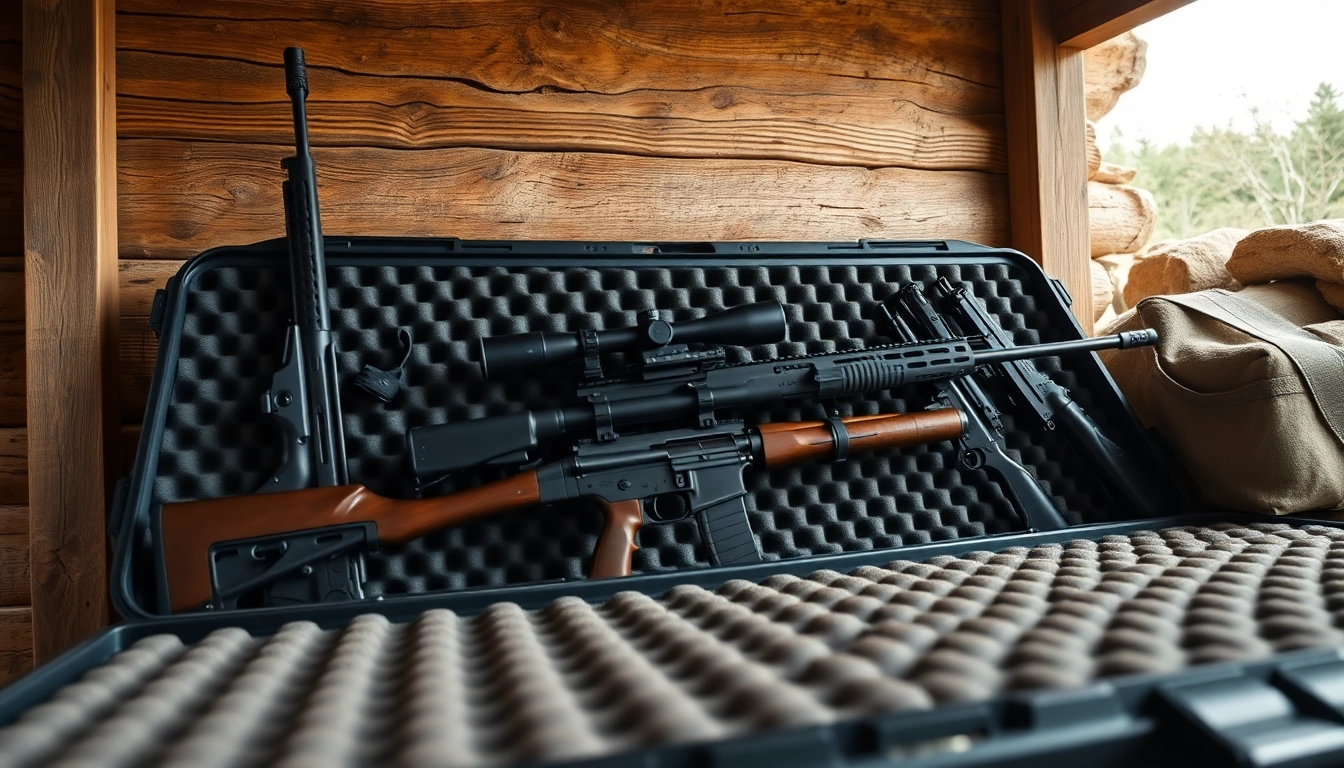
Understanding the Importance of Foam for Rifle Case
A rifle case is essential for safeguarding your firearm against damage during transport and storage. One often overlooked yet crucial component of a rifle case is the foam used within it. The right foam for rifle case offers protection, stability, and customization that enhances the overall usability and lifespan of your firearm storage solution. This guide delves deep into the significance of selecting the appropriate foam, ensuring your equipment is well-protected and retains its performance.
Why Use Foam for Rifle Case?
Foam serves multiple important functions within a rifle case. Primarily, it cushions the rifle against impacts, effectively absorbing shocks and preventing scratches and dents. Without adequate foam, any bumps during transportation can cause severe damage, affecting both functionality and aesthetics. Additionally, foam helps prevent movement inside the case, ensuring a snug fit that keeps the rifle securely in place. One of the key advantages of foam is its ability to conform to the shape of the rifle, providing a tailored fit that enhances security. Opting for the right foam for rifle case maximizes these benefits and significantly improves your firearm’s protection strategy.
Types of Foam Options Available
There are various types of foam available for rifle cases, each with unique properties suited for different needs:
- Polyurethane Foam: Commonly used due to its softness and excellent cushioning properties. It’s great for absorbing impact but can be less durable over time.
- Closed-Cell Foam: Made from small, closed cells that resist moisture, making it ideal for humid environments. It provides excellent protection and does not absorb water.
- Memory Foam: Known for its contouring ability, it molds to the shape of your rifle for a custom fit. It also regains its shape after compression, offering long-lasting support.
- Egg Crate Foam: Featuring a unique shape that increases surface area, it provides excellent airflow and cushioning while also being lightweight.
- Custom-Fit Foam: This type involves bespoke solutions where foam is shaped according to the exact dimensions of your firearm, ensuring maximum protection.
Benefits of Using Custom Foam Inserts
Custom foam inserts are designed to perfectly fit your specific rifle and its components. The benefits of using custom foam inserts are numerous:
- Enhanced Protection: Custom inserts offer tailored support that helps prevent movement, reducing the risk of damage during transport.
- Optimal Space Utilization: A tailored design efficiently utilizes the available space, allowing for additional accessories to be stored alongside the rifle.
- Aesthetic Appeal: Custom foam can be designed in various colors and patterns, allowing you to personalize the look of your rifle case.
Factors to Consider When Selecting Foam for Rifle Case
Choosing the right foam requires careful consideration of several factors that influence protection and usability:
Material Quality and Durability
The quality of foam directly affects its durability and protective capacity. High-density foams tend to be more resilient and provide long-lasting support compared to lower-density options. Investing in higher quality foam may lead to additional costs upfront but can prevent greater expenses related to firearm damage in the long run.
Thickness and Density of Foam
The thickness and density of foam dictate how well it can absorb impacts and cushion your rifle. Thicker foam generally offers better shock absorption; however, it may also occupy more space within the case. Ideally, you should select a density that balances cushioning ability with space efficiency.
Cost-Effectiveness of Different Options
While lower-cost foams are more accessible, they might lack the durability required for effective protection. Evaluating the longevity and protection level of a foam compared to its cost can lead to better investment decisions. Remember, the cheapest option may not always be the most cost-effective in the long run.
Customizing Foam for Your Specific Rifle Needs
Customization is key to ensuring your firearm has the best possible protection. Here’s how to tailor foam to your exact specifications:
Measuring Your Rifle for a Perfect Fit
Accurate measurements are the foundation of effective custom foam. Measure not only the overall length and width of your rifle but also any accessories, such as scopes and bipods, that might need clearance within the case. Inaccurate measurements could lead to awkward fits and insufficient protection.
How to Cut Foam for Shape and Ergonomics
If you’re opting for DIY customization, use a utility knife or hot wire foam cutter for clean cuts. Always make precise cuts based on the measurements studied, ensuring you account for any curvature or protrusions of the rifle. Ergonomic designs that allow for easy access and storage will enhance the user experience.
Utilizing Inserts and Dividers Effectively
Inserts and dividers are invaluable tools for securing different parts of your rifle case. These components help segregate rifles from accessories and other items, reducing the risk of scratching or damaging sensitive items. Utilize removable inserts to adjust the layout as your storage needs change.
Maintenance Tips for Foam in Rifle Cases
To maximize the lifespan and effectiveness of the foam within your rifle case, regular maintenance is essential. Here are important tips:
Cleaning and Care Procedures
Regular cleaning helps prevent the buildup of dust and debris that could degrade foam integrity. Use a soft brush to remove dirt, and for deeper cleaning, a damp cloth with mild soap can be effective. Avoid soaking the foam and allow it to air dry completely before using the case again to prevent mold and mildew.
Protecting Foam from Moisture and Damage
Moisture can compromise foam structure and create foul odors. Store the rifle case in a cool, dry place, and consider using silica gel packs to absorb excess humidity. If transporting in adverse weather conditions, wrap the case in a waterproof cover for added protection.
When to Replace Your Foam Inserts
Foam should be examined regularly for signs of wear or compression. If the foam appears flattened, cracked, or no longer adequately cushions your rifle, it’s time for replacement. Keeping an eye on foam condition can prevent potentially damaging transportation scenarios.
FAQs About Foam for Rifle Case
What types of foam are best for rifle cases?
Polyurethane, closed-cell foam, and custom-fit options are among the best for protecting rifles, depending on specific needs and budget.
Can foam inserts be customized?
Yes, foam inserts can be customized to fit the exact shape and configuration of your rifle and accessories.
How do I clean my foam?
Use a soft brush for dust removal and a damp cloth with mild soap for deeper cleaning. Ensure foam dries completely to avoid mold.
Is dense foam better for protection?
Dense foam generally offers better impact absorption but consider thickness and suitability for your rifle’s case for optimal protection.
How often should I replace my foam?
Replace foam inserts when they show signs of wear or compression, which can reduce their protective capabilities.