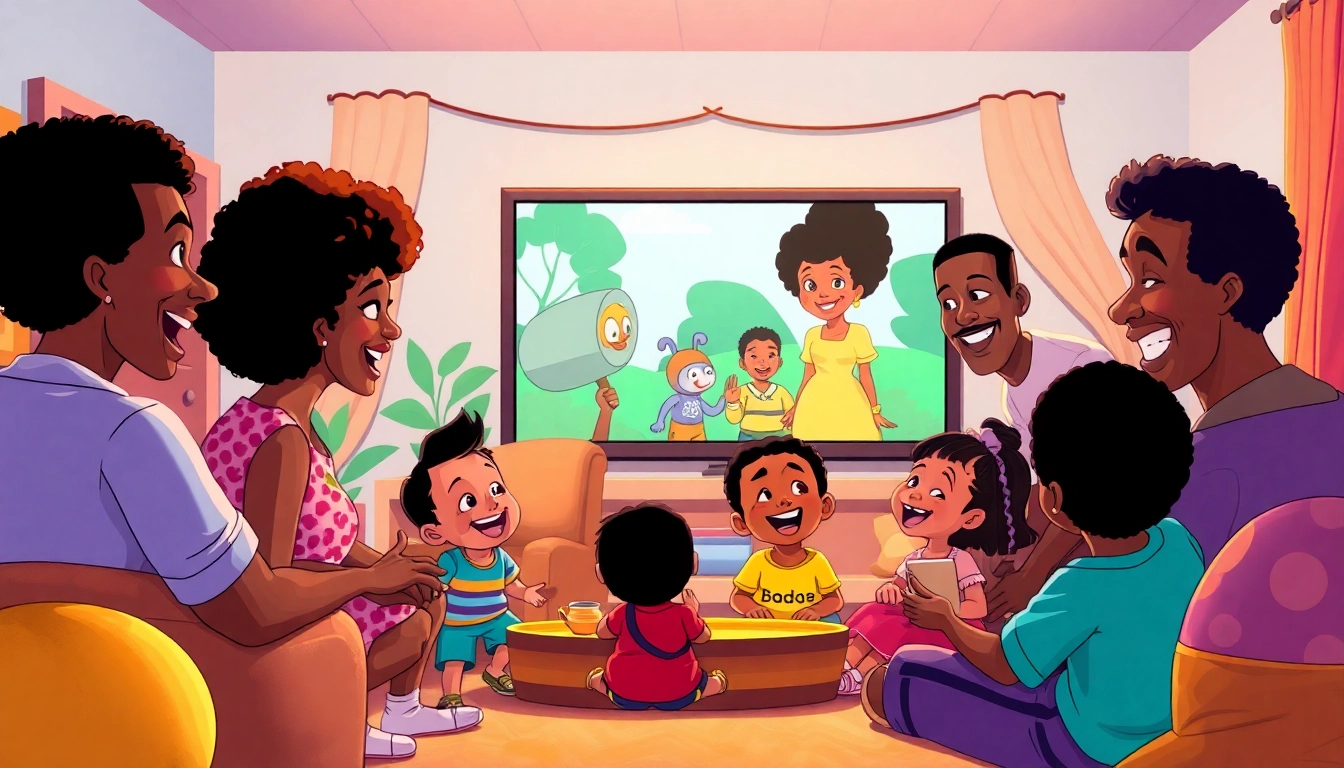
The Evolution of African American Cartoons
The landscape of animation has undergone significant transformation over the decades, particularly regarding representation of African American culture. From the early days of animation to contemporary creations, African American cartoons have played a pivotal role in shaping narratives and providing visibility to Black experiences. The rich tapestry of African American stories is reflected in the craftsmanship, creativity, and cultural insights embedded in these cartoons, making them a vital part of modern entertainment. As the genre continues to evolve, it embraces new technologies and storytelling techniques, ensuring that African American voices are heard loud and clear. For those looking to delve deeper into this vibrant domain, African American Cartoons offer a plethora of options to explore.
Historical Context: Where It All Began
The journey of African American cartoons began in a challenging historical context, marked by the struggle for representation and equality. Early animations often perpetuated stereotypes, reflecting societal biases of the time. However, key figures in animation began to challenge these narratives, advocating for more authentic portrayals of Black culture. The 1970s and 1980s saw a significant shift, with shows like “Fat Albert and the Cosby Kids” paving the way for characters that resonated with Black youth.
Key Figures in Animation
Notable figures such as Bill Cosby, who created “Fat Albert,” and Aaron McGruder, creator of “The Boondocks,” have been instrumental in propelling African American cartoons into the mainstream. Their works not only entertained but also served as vehicles for social commentary, addressing issues like racism and identity. Today, creators like Matthew A. Cherry, with his Oscar-winning short “Hair Love,” continue to inspire a new generation of animators who prioritize representation and authenticity.
Impact on Culture and Society
The impact of African American cartoons extends beyond entertainment. These shows have fostered a sense of belonging among Black audiences and have educated wider audiences about Black culture. Programs like “The Proud Family” and “Craig of the Creek” present nuanced portrayals of African American life, helping to dismantle stereotypes and humanize characters through relatable stories that resonate across cultural divides.
Top African American Cartoons of 2026
As we look to 2026, the animation landscape is filled with exciting new releases that showcase African American culture and creativity. With studios increasingly seeking to diversify their storytelling, there are numerous titles that promise to captivate audiences.
New Releases to Watch
New entries like “Young Bino,” focused on contemporary Black youth navigating their identities amidst daily challenges, and “Dancing in the Stars,” which celebrates Black history through music and dance, are creating buzz for their unique approaches. Additionally, streaming platforms are producing fresh content that highlights stories often overlooked in mainstream media, giving rise to new narratives that resonate with both children and adults.
Classic Reboots: A Nostalgic Return
Classic shows such as “The Proud Family” are being rebooted to introduce a new generation to cherished characters. The revival stays true to its roots while addressing relevant social issues, ensuring that it remains culturally significant. These reboots not only attract nostalgic viewers but also engage younger audiences who can connect with the updated storylines and themes.
Cultural Significance and Representation
The cultural significance of these cartoons lies in their ability to provide authentic representation. They encourage children to see themselves reflected in animated characters, which is crucial for fostering self-esteem and identity formation. Moreover, they introduce non-Black audiences to the richness of African American culture, promoting empathy and understanding through storytelling.
Iconic Characters That Shaped Animation
Characters from African American cartoons have become iconic, influencing pop culture and inspiring young viewers across generations. Their stories often explore themes of resilience, family, and friendship, making them relatable to a broad audience.
Exploring Leading Figures in Cartoons
Figures like Huey and Riley Freeman from “The Boondocks” are not just characters; they are symbols of social commentary and activism. Other characters, such as Penny Proud from “The Proud Family,” serve as relatable young women tackling issues of identity and social justice. These characters have become cultural touchstones, inspiring critical conversations about race and representation in society.
Character Development and Story Arcs
The depth of character development in African American cartoons is noteworthy. Shows often feature well-rounded characters whose arcs reflect personal growth, familial ties, and cultural pride. This engagement leads to deeper connections with audiences and promotes discussions about important social issues.
How Characters Influence Young Audiences
The presence of diverse characters in animation has profound effects on young viewers. By seeing characters who look like them, children can develop a positive self-image and a sense of belonging. Moreover, these characters often model problem-solving, empathy, and resilience, imparting valuable life lessons that extend beyond the screen.
Challenges in Representation
Despite the progress made, challenges persist in achieving equitable representation in animation. Stereotypes and misconceptions often hinder the narrative’s authenticity, leaving audiences with a diluted understanding of African American experiences.
Common Stereotypes and Misconceptions
Prevailing stereotypes in animation can perpetuate harmful ideas about African Americans. While more creators are working to dismantle these stereotypes, the industry still grapples with outdated tropes that simplify complex identities. Awareness and dialogue about these issues are crucial in shifting perceptions.
Industry Barriers and Advancements
The animation industry faces barriers related to funding, access, and opportunities for African American creators. However, initiatives supporting diversity—like grants and mentorship programs—are helping to create pathways for up-and-coming animators. This progress is essential for cultivating a future where diverse stories are told authentically and creatively.
Future Trends in Inclusive Animation
As we move forward, the future of African American cartoons appears promising. Trends indicate a shift towards more inclusive storytelling that values cultural authenticity and representation. With the rise of streaming platforms, creators are now empowered to explore unconventional narratives, leading to a richer, more diverse animation landscape.
How to Support African American Animators
Supporting African American animators is vital for fostering a thriving creative community. Here are actionable ways to make a difference.
Discovering Independent Creations
Seek out independent animations produced by Black creators. Platforms such as YouTube and Vimeo host a plethora of short films and series that highlight diverse perspectives. Promoting and sharing these works can amplify voices that deserve to be heard.
Engaging with Content in Positive Ways
Engage with content critically by discussing themes and messages with friends and family. This dialogue helps raise awareness of the importance of representation and can inspire others to support Black-created content.
Building a Community for Future Generations
Participate in workshops, festivals, and community events that focus on African American animation. By building a supportive network, you contribute to the growth of a vibrant community that nurtures future talent and storytelling.