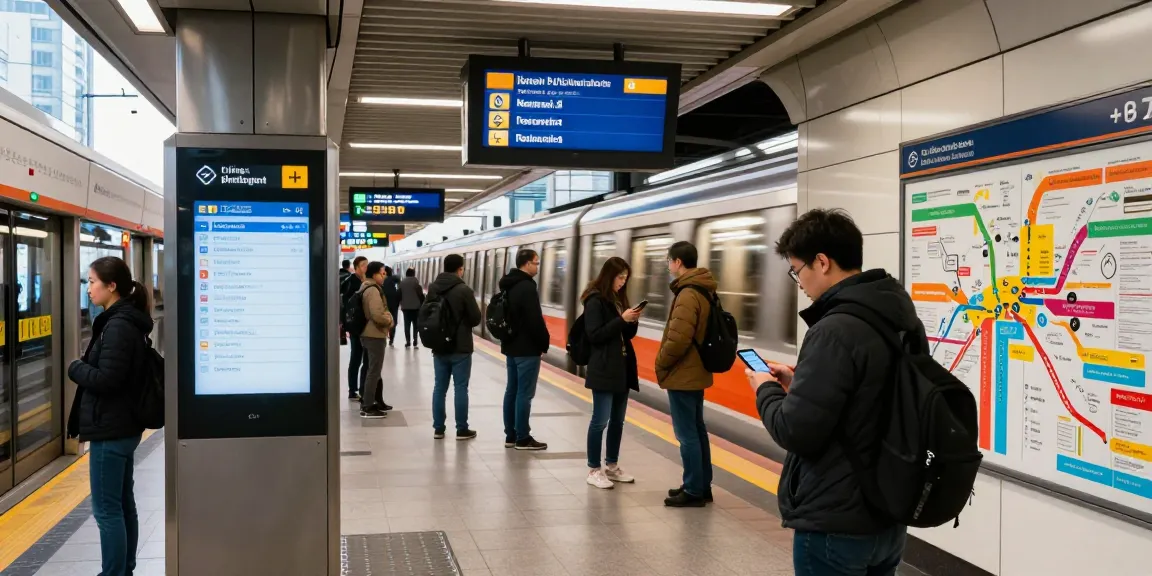
Understanding Real-Time Line Schedules
In the fast-paced world of urban transit, understanding line schedules and real-time updates has become essential for commuters aiming to navigate cityscapes efficiently. As cities continue to expand, the complexities of public transportation systems grow, making precise information on subway arrivals crucial for daily travelers. With innovative technologies emerging, riders can now access live updates that significantly enhance their commuting experience, providing them with the tools necessary to make informed travel decisions.
What is a Line Schedule?
A line schedule outlines the timetable for a specific transit line, detailing when trains or subways are expected to arrive and depart at various stations. This schedule is the backbone of any efficient transit system, serving as a guide for passengers planning their journeys. Understanding a line schedule is crucial not just for routine commuting but also for special events, peak travel times, and emergency situations.
Importance of Real-Time Updates
Real-time updates revolutionize how passengers interact with public transportation. These updates are vital for ensuring that commuters have the latest information regarding train arrivals, delays, and service alterations. Such timely notifications can save precious minutes and alter travel plans to avoid crowded trains or unexpected setbacks. As such, real-time updates serve as an essential component in enhancing the overall efficiency of transit systems.
How GTFS-Realtime Enhances Your Commute
GTFS-Realtime (General Transit Feed Specification – Realtime) is a pivotal technology that facilitates the real-time tracking of transit vehicles. By leveraging GTFS-RT standards, services like Subway Today provide commuters with instant access to data that reflects the current operational status of public transport. This access allows users to view not just when a train is scheduled to arrive, but also where it is located at any moment during its journey. The implementation of such systems unifies static schedule data with live updates for an accurate reflection of transit operations.
Choosing the Right Subway System
When it comes to selecting a subway system that meets your needs, an understanding of the various operational efficiencies across cities is key. line schedule vary considerably from city to city, influenced by factors such as population density, infrastructure investment, and ridership patterns. For commuters seeking reliability and efficiency, a comparative analysis of major subway systems is crucial.
Comparative Analysis of Major Subway Cities
Major cities like New York, Tokyo, and Paris have distinguished themselves with robust subway systems. For instance, Tokyo’s subway is renowned for its punctuality, with an average delay of only 18 seconds. In contrast, New York’s MTA struggles with delays caused by aging infrastructure and high ridership. Analyzing such discrepancies helps commuters make informed choices about which subway system aligns best with their needs.
Factors Influencing Line Schedule Efficiency
Several factors contribute to the efficiency of line schedules, including:
- Infrastructure: Well-maintained tracks and efficient signaling systems reduce delays.
- Operator Training: Skilled operators are crucial for maintaining punctuality and safety.
- Real-Time Tracking: Systems like GTFS-Realtime allow agencies to respond swiftly to disruptions.
- Passenger Demand: High ridership can necessitate increased frequency of service.
Real-World Examples of Effective Systems
Successful implementations of efficient line schedules can be seen in cities like London and Singapore. London’s Transport for London (TfL) has integrated real-time data with user-friendly apps, leading to higher commuter satisfaction. Similarly, Singapore’s Mass Rapid Transit (MRT) system is celebrated for its reliability and effectiveness, utilizing advanced technologies that ensure real-time updates and efficient crowd management.
Challenges with Line Schedules
Despite the advancements in real-time tracking and transit technology, line schedules still face challenges that can affect the commuter experience. Understanding these issues is essential for both transit authorities and passengers.
Common Misconceptions About Real-Time Tracking
Many commuters may erroneously believe that real-time tracking eliminates all delays. However, while real-time updates inform passengers of current conditions, they do not guarantee the absence of issues, such as signal failures or maintenance problems, that can disrupt service.
Technical Issues Affecting Line Schedules
Real-time systems depend heavily on technology and can experience outages or inaccuracies due to several factors, including software glitches, hardware failures, or even inefficiencies in data relay systems. These technical issues can hinder the timely delivery of updates, leaving passengers without crucial travel information.
User Experience and Feedback Mechanics
User experience significantly influences public perception of transit systems. Systems that fail to provide reliable updates or user-friendly interfaces can lead to commuter frustration. Feedback mechanisms are vital for agencies to understand rider needs and make necessary improvements, ensuring that line schedules are both accurate and accessible.
Best Practices for Tracking Subway Arrivals
To maximize the benefits of real-time updates and line schedules, commuters should adopt certain best practices when tracking subway arrivals.
Utilizing Mobile Apps for Instant Updates
Mobile applications that feature real-time tracking capabilities are indispensable tools for today’s commuters. Users should consider downloading apps that integrate GTFS-Realtime data to stay informed about train arrivals, service changes, and other relevant alerts.
Implementing GTFS-Realtime Standards
Transit agencies worldwide can enhance their service quality by adopting GTFS-Realtime standards, which help standardize the format for real-time transit data. This implementation ensures uniformity and reliability across different transit systems, facilitating smoother user experiences.
Strategies for Reducing Wait Times
Commuters can implement strategies to reduce wait times, such as:
- Checking live updates before leaving home.
- Planning ahead for peak travel hours.
- Utilizing alternative routes when delays are reported.
The Future of Subway Line Schedules in 2026
Looking ahead to 2026, the evolution of subway line schedules hinges on emerging technologies and changing urban dynamics. The way we navigate public transit will continue to transform with advancements in data collection and analysis.
Emerging Technologies in Transit Tracking
The advent of artificial intelligence and machine learning is expected to further refine real-time tracking capabilities. These technologies can analyze vast amounts of data to predict service disruptions, optimize scheduling, and enhance overall efficiency.
Predictions for Line Schedule Innovations
Future innovations may include integrated transit services that allow for seamless transfers between different modes of transport, such as buses, trains, and rideshare options. This integration can streamline the commuting experience, making it more user-friendly and efficient.
Impact of Urbanization on Subway Systems
As urban centers continue to grow, subway systems will need to adapt to increasing passenger volumes. Investments in infrastructure expansion and modernization will be essential to accommodate future demands and maintain service quality.
What are the Benefits of GTFS-Realtime?
GTFS-Realtime enhances public transit by providing accurate, timely information to riders. Benefits include reduced wait times, improved service reliability, and increased rider confidence in public transportation systems.
How Will AI Shape the Future of Public Transit?
Artificial intelligence is anticipated to revolutionize public transit by enabling predictive analytics that inform scheduling and operational decisions. By harnessing big data, transit agencies can better respond to real-time conditions and adjust services as needed, improving the commuter experience significantly.