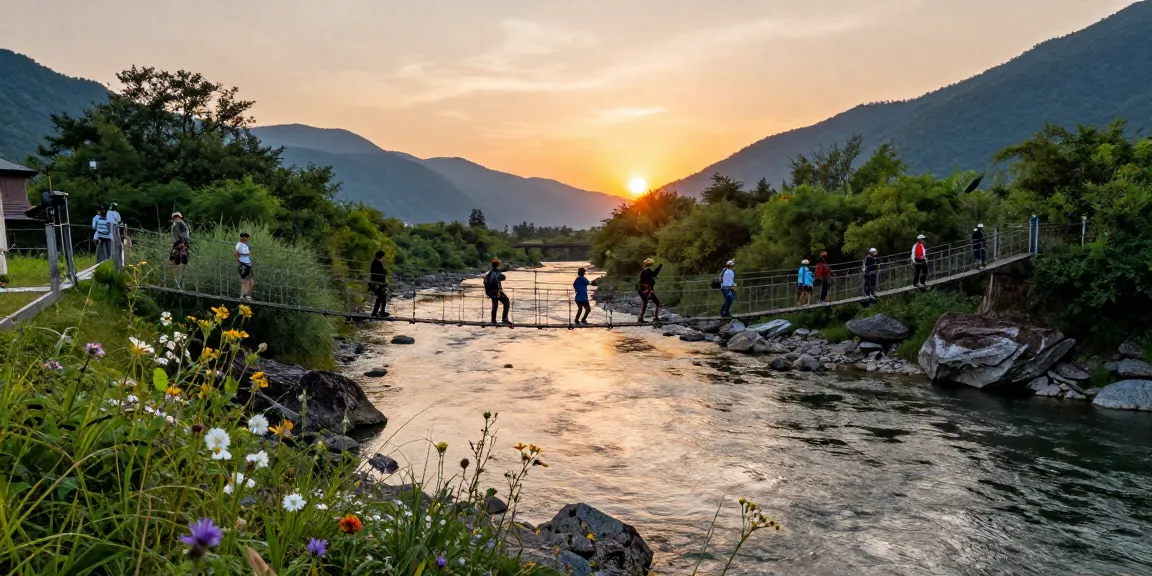
Understanding the Basics of River Rope Bridges
River rope bridges represent a unique blend of engineering ingenuity and aesthetic beauty, serving as vital conduits in rugged terrains where conventional bridges might not be feasible. These structures not only facilitate crossings over water bodies but also enhance the outdoor experience for adventurers and nature lovers alike. Understanding the fundamentals of river rope bridges is essential for anyone considering their construction, whether for personal use, community projects, or commercial ventures. When exploring options, River Rope Bridge designs provide comprehensive insights into the unique specifications and applications of these remarkable structures.
What is a River Rope Bridge?
A river rope bridge, often referred to as a suspension bridge, is a type of bridge where the deck is suspended from cables or ropes. Unlike standard bridges that rely on rigid materials, rope bridges use flexible, lightweight materials which can absorb dynamic forces such as wind and the movement of pedestrians. These bridges are particularly beneficial in remote locations, offering a cost-effective solution for crossing rivers and ravines.
Key Components of River Rope Bridges
The construction of a river rope bridge involves several key components:
- Cables/Ropes: The primary support structure, usually made from high-tensile strength materials like nylon or steel.
- Decking: Typically composed of wooden planks or mesh, the decking provides a surface for people to walk on.
- Anchors: These secure the cables to either side of the riverbank, providing stability.
- Support Towers: In larger installations, towers may be erected to support the main cables.
Common Uses of River Rope Bridges in Outdoor Activities
River rope bridges are popular in various settings, including:
- Trekking and Hiking: Often found in national parks and hiking trails, these bridges allow hikers to cross rivers safely.
- Adventure Parks: Used in zip lines and obstacle courses, they add thrill and excitement to outdoor activities.
- Community Projects: Local communities often build rope bridges to access remote areas or enhance eco-tourism.
Planning Your River Rope Bridge Project
Planning is crucial when embarking on a river rope bridge project. Evaluating location, materials, and safety standards are fundamental steps that ensure the success and longevity of the bridge.
Choosing the Right Location for Your Bridge
Selecting the optimal site for your bridge involves considering various factors, such as:
- River Width: Ensure the span is suitable for the river's width and potential flooding.
- Bank Stability: Assess the ground conditions on both sides to support the anchors.
- Accessibility: Choose a location that is accessible for construction materials and allows for future maintenance.
Identifying Necessary Materials and Equipment
Gathering the right materials and tools is essential for construction:
- Ropes and Cables: Choose the correct type and thickness for your specific bridge design.
- Decking Materials: Options include treated wood or metal grating for durability.
- Tools: Common tools include drills, saws, and safety gear, along with items specific to rope work.
Understanding Local Regulations and Safety Standards
Before starting construction, it is vital to consult local authorities regarding regulations. Most regions have safety standards that must be adhered to, which may dictate:
- Load Capacity: The maximum weight the bridge can support.
- Permit Requirements: Necessary approvals from environmental and safety boards.
- Construction Practices: Guidelines for materials and construction techniques to ensure safety and compliance.
Design Strategies for Effective River Rope Bridges
The design of your river rope bridge can significantly impact its functionality and aesthetic appeal. Strategic design choices contribute to safety and longevity.
Customising Your Bridge Design for Specific Needs
Design can be tailored based on user needs:
- Width: Consider the foot traffic; wider decks can accommodate more users.
- Height: Adjust the height to suit the river's flow and local fauna.
- Aesthetic Features: Incorporate elements like decorative ropes or lighting for attractiveness.
Integrating Safety Features into Your Design
Prioritising safety in design will reassure users and reduce liability. Features may include:
- Handrails: Essential for pedestrian safety, especially in high or windy locations.
- Slippery Surface Treatments: Use textured materials to prevent slips.
- Regular Maintenance Access: Design should allow for inspections and repairs without compromising safety.
Using Sustainable Materials for Eco-Friendly Construction
Incorporating sustainable materials in your design can minimise environmental impact:
- Recycled Materials: Use parts made from recycled plastics or reclaimed wood.
- Environmentally Friendly Treatments: Ensure wood is treated with non-toxic preservatives.
- Energy-Efficient Lighting: Install solar-powered lights for illumination.
Construction Techniques for River Rope Bridges
Once planning and design are complete, the actual construction can begin. Employing the right techniques is essential for a successful build.
Step-by-Step Guide to Building Your River Rope Bridge
The following steps outline a basic construction process:
- Site Preparation: Clear the area of debris, and mark the positions for anchors and towers.
- Anchor Installation: Securely install anchors into the ground on both sides of the river.
- Cable Assembly: Thread the main cables through the anchors and secure them.
- Deck Installation: Lay down the decking materials across the cable spans.
- Safety Features: Add handrails and other safety features before final verification.
Tools and Equipment Needed for Construction
Ensure you have a comprehensive toolkit, including:
- Measuring Tools: Tape measures and levels for accuracy.
- Drilling and Cutting Equipment: Essential for both the anchors and decking.
- Safety Gear: Helmets, harnesses, and gloves for worker protection.
Common Mistakes to Avoid During Construction
To ensure a successful build, be aware of common pitfalls:
- Neglecting Site Conditions: Always assess ground stability before construction.
- Inadequate Materials: Use materials that match the load requirements; using subpar materials can be dangerous.
- Ignoring Local Regulations: Ensure all permits and safety measures are followed to avoid legal issues.
Maintenance and Safety for River Rope Bridges
Once built, ongoing maintenance and user safety are paramount to the bridge's functionality and integrity.
Regular Inspection Guidelines for Safety
Regular inspections are crucial for identifying wear or damage. Follow these guidelines:
- Frequency: Conduct inspections at least bi-annually or after severe weather events.
- Checklist: Inspect cables, decking, and anchors for signs of deterioration or damage.
- Documentation: Keep a record of inspections and repairs.
Repair Techniques for Common Issues
Addressing issues promptly can extend the life of your bridge:
- Cable Fraying: Replace frayed cables immediately to prevent failure.
- Deck Replacement: Replace warped or broken deck boards as necessary.
- Anchor Reinforcement: Periodically check and reinforce anchors if settling occurs.
Emergency Procedures for Bridge Users
Establish clear emergency protocols:
- Signage: Display safety guidelines and emergency contacts at both ends of the bridge.
- Training: Provide users with instructions on safe crossing and what to do in case of emergencies.
- Evacuation Plans: Outline clear paths for safe evacuation in case of failure or natural disasters.
What are the benefits of a River Rope Bridge?
River rope bridges offer numerous benefits, including low cost, ease of installation, and minimal environmental impact. Their flexibility and lightweight nature allow for creative designs and adaptability in various terrains.
How much does it cost to build a River Rope Bridge?
The cost to construct a river rope bridge can vary greatly, influenced by material choices, bridge size, and labour. On average, expect to spend anywhere from £1,500 to £15,000.
Where can I find plans for a River Rope Bridge?
Many resources are available for those looking for bridge plans, including online forums, DIY websites, and local builders, which often provide custom designs to suit specific needs.
Are River Rope Bridges safe for children?
Yes, when designed and constructed with safety features, river rope bridges can be safe for children. However, adult supervision is highly recommended at all times.
How long do River Rope Bridges last?
With proper maintenance, a well-built river rope bridge can last anywhere from 10 to 30 years, depending on factors such as weather, materials used, and frequency of use.