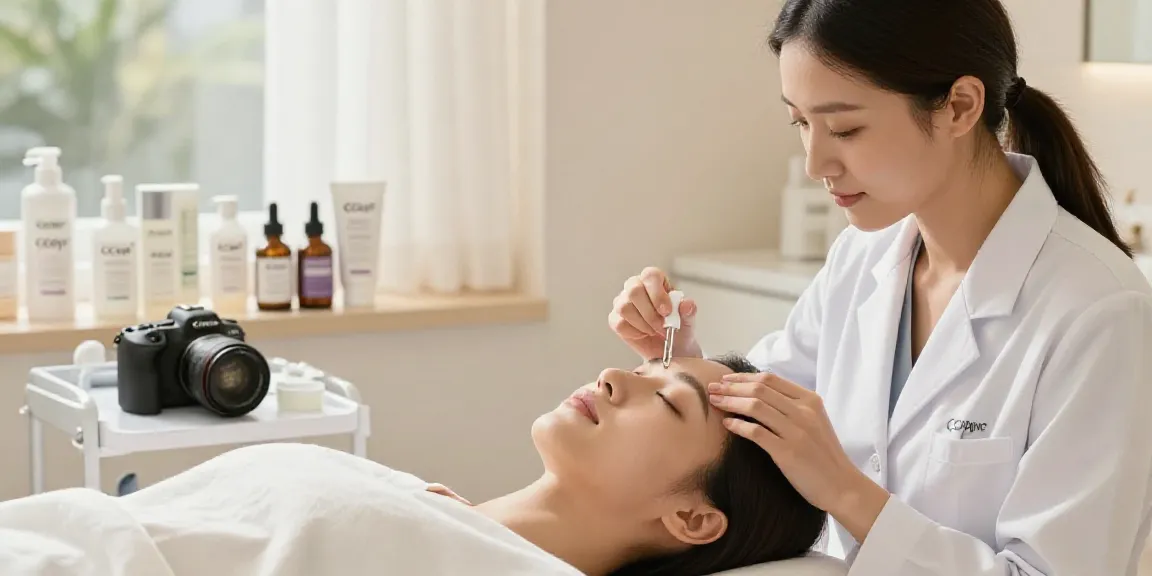
The Science Behind Natural Astaxanthin
Natural astaxanthin is a powerful antioxidant belonging to the carotenoid family, renowned for its remarkable health benefits. Found predominantly in marine environments, this vibrant pigment is responsible for the pink and red colors of salmon, shrimp, and flamingos. Recent advancements in nutritional research have brought natural astaxanthin into the limelight, highlighting its potential to enhance overall health and wellness. When exploring options, natural astaxanthin provides comprehensive insights into improving bodily functions, particularly in oxidative stress management and inflammation reduction.
What is Natural Astaxanthin?
At its core, natural astaxanthin is a carotenoid, a type of plant pigment that exhibits antioxidant properties. It is synthesized by microalgae, most notably Haematococcus pluvialis, which is recognized as the richest source of this compound. Astaxanthin's unique chemical structure allows it to effectively neutralize free radicals, thereby protecting cells from oxidative damage. Unlike other antioxidants, astaxanthin can cross the blood-brain barrier, providing protective effects on the brain and central nervous system.
Health Benefits of Natural Astaxanthin
The health benefits of natural astaxanthin are diverse, making it a versatile supplement in the wellness industry. Some of the most notable benefits include:
- Enhanced Physical Performance: Astaxanthin has been shown to improve endurance and reduce muscle damage during exercise.
- Skin Health: It supports skin hydration, elasticity, and overall appearance, making it a popular ingredient in skincare products.
- Eye Health: Its ability to combat oxidative stress contributes to improved eye health and potentially reduces the risk of age-related macular degeneration.
- Cardiovascular Health: Natural astaxanthin has been linked to improved heart health by reducing inflammation and enhancing circulation.
Key Sources of Natural Astaxanthin
Natural astaxanthin is predominantly sourced from microalgae and various seafood. Here are some key sources:
- Microalgae: The primary powerhouse for astaxanthin, particularly Haematococcus pluvialis.
- Salmon: This fish is well-known for its high astaxanthin content, which contributes to its distinctive pink coloration.
- Krill: Small crustaceans that provide a rich source of astaxanthin along with omega-3 fatty acids.
- Trout and Shrimp: Both of these seafood options also contain beneficial levels of natural astaxanthin.
Natural Astaxanthin Forms and Variants
Differentiating Natural and Synthetic Astaxanthin
While natural astaxanthin is derived from natural sources like microalgae, synthetic astaxanthin is chemically manufactured. The two forms differ significantly in terms of absorption and effectiveness. Natural astaxanthin is considered more bioavailable and is favored for its superior antioxidant properties. Studies indicate that the body can utilize natural astaxanthin more efficiently than its synthetic counterpart, which may not provide the same health benefits.
Top Natural Astaxanthin Products in 2026
As the popularity of natural astaxanthin continues to rise, several products are leading the market in 2026. Top contenders include:
- AstaDaily Pure Astaxanthin: A premium formula that offers a potent dose of natural astaxanthin sourced from Haematococcus pluvialis.
- Kirkland Signature Astaxanthin: A well-known brand that provides high-quality astaxanthin in convenient softgel form.
- Sports Research Astaxanthin: Focused on enhancing athletic performance and recovery.
How to Choose the Right Astaxanthin Supplement
When selecting an astaxanthin supplement, consider the following factors:
- Source: Look for products derived from natural sources like microalgae.
- Purity: Choose supplements that are free from fillers and additives.
- Dosage: Opt for products that provide effective doses per serving based on current research recommendations.
Best Practices for Using Natural Astaxanthin
Dosage Recommendations and Guidelines
For optimal benefits, the typical dosage of natural astaxanthin ranges from 4 to 12 mg per day. It's advisable to take astaxanthin with a meal that includes healthy fats, as this enhances its absorption. Personal health conditions and dietary factors should also be considered, and consulting a healthcare professional is recommended before starting any new supplement regimen.
Combining Astaxanthin with Other Nutrients
Astaxanthin can be effectively combined with other nutrients to enhance its health benefits, particularly:
- Omega-3 Fatty Acids: Together, they promote heart health and reduce inflammation.
- Vitamin E: This combination can provide synergistic antioxidant effects, enhancing skin health.
- Coenzyme Q10: Works well with astaxanthin for cellular energy production and overall vitality.
Avoiding Common Misconceptions About Astaxanthin
Despite the extensive research supporting the benefits of natural astaxanthin, several misconceptions persist. It's important to address these to guide consumer understanding and usage:
- Myth: All astaxanthin is the same. Fact: Natural astaxanthin differs greatly from synthetic versions in terms of absorption and efficacy.
- Myth: Higher doses always mean better benefits. Fact: Optimal dosages vary, and more isn’t always better.
Real-World Applications of Natural Astaxanthin
Case Studies: Success Stories in Supplementation
Numerous studies have showcased the real-world applications of natural astaxanthin supplementation. One such study demonstrated its effectiveness in improving athletic performance among endurance athletes, with participants reporting decreased muscle soreness and improved recovery times. Another case study highlighted significant improvements in skin elasticity and appearance among individuals incorporating astaxanthin into their daily skincare routines.
Astaxanthin in Beauty and Skincare Products
The beauty industry has embraced natural astaxanthin for its potent anti-aging properties. It is increasingly featured in high-end skincare formulations, touted for its ability to enhance skin hydration, reduce fine lines, and combat oxidative damage caused by environmental factors. Products containing astaxanthin are becoming a staple for those seeking a natural approach to skincare.
Innovative Uses of Astaxanthin in Food Products
Beyond supplements, natural astaxanthin is being incorporated into food products for its health benefits and vibrant color. Health-conscious brands are adding it to smoothies, energy bars, and even pasta to enhance nutritional value. This trend reflects a growing consumer demand for functional foods that provide health benefits alongside their nutritional content.
Future Trends in the Natural Astaxanthin Market
Emerging Research and Developments Beyond 2026
Research into natural astaxanthin is rapidly expanding, with new studies underway exploring its potential applications beyond conventional uses. Future research may unveil insights into astaxanthin's role in neuroprotection, cognitive health, and chronic disease prevention, paving the way for innovative health solutions.
The Growing Popularity of Astaxanthin in Wellness
As more consumers become aware of the benefits of natural astaxanthin, its popularity in the wellness community is surging. Health enthusiasts are increasingly turning to this antioxidant powerhouse for its comprehensive benefits, leading to a broader acceptance and integration into daily wellness routines.
Predictions for Astaxanthin Supplementation Trends
In the coming years, astaxanthin supplementation is expected to evolve with trends focusing on clean labeling, transparency, and sustainability. Brands are likely to emphasize natural sourcing and purity, catering to the demand for high-quality, effective supplements that align with consumer values.
What are the top benefits of taking natural astaxanthin?
Natural astaxanthin provides several significant health advantages, including enhanced athletic performance, improved skin health, and better eye health. It effectively combats oxidative stress and inflammation, contributing to overall wellness.
How does natural astaxanthin compare to synthetic versions?
Natural astaxanthin is generally more beneficial than synthetic versions due to its higher bioavailability and effectiveness. Studies suggest that natural forms have superior antioxidant properties, making them preferable for supplementation.
Can natural astaxanthin improve skin health?
Yes, natural astaxanthin has been shown to enhance skin hydration, elasticity, and protection against UV damage, making it a valuable ingredient in skincare formulations.
What do I need to know before starting astaxanthin supplements?
Before starting astaxanthin supplements, it's essential to consider your individual health needs and consult with a healthcare provider, especially if you are pregnant, nursing, or taking medications.
Are there any side effects associated with natural astaxanthin?
Natural astaxanthin is generally well-tolerated, with few reported side effects. Some individuals may experience mild digestive upset; however, these instances are rare. As with any supplement, monitoring your body's response is important.