Understanding Garage Floor Coatings
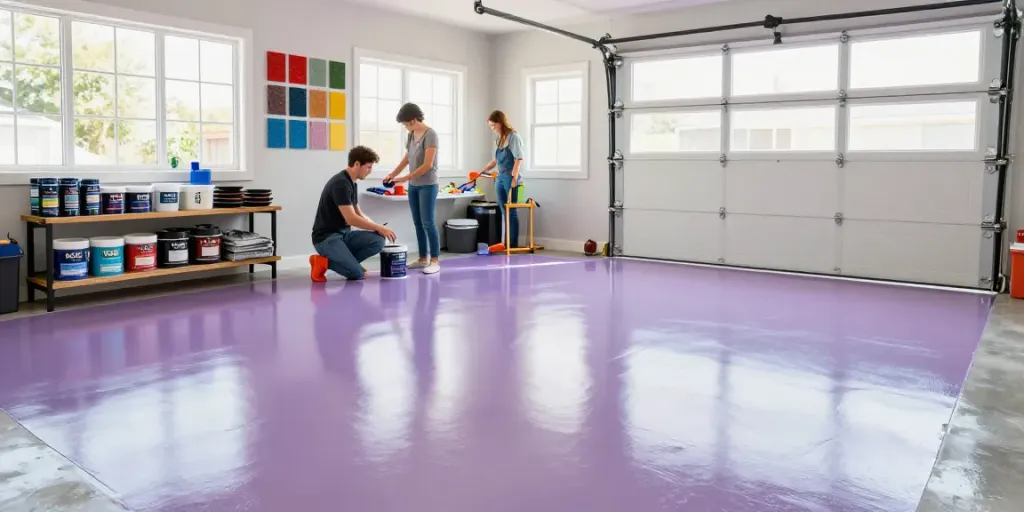
Garage floor coatings offer a transformative solution for homeowners and businesses looking to enhance the functionality and aesthetic appeal of their flooring. These specialized coatings are designed to protect concrete from wear and tear while adding a durable surface that can withstand various stresses. When exploring options, Garage Floor Coatings serve as an excellent choice for creating an attractive and resilient environment.
What Are Garage Floor Coatings?
Garage floor coatings are protective surfaces applied over concrete to improve durability and resistance to stains, chemicals, and abrasions. These coatings typically come in epoxy, polyaspartic, and polyurea forms, each offering unique advantages. Epoxy coatings are perhaps the most popular due to their robustness and sleek finish, making them ideal for both residential and commercial garages.
Types of Garage Floor Coatings Available
There are several types of garage floor coatings, including:
- Epoxy Coatings: Known for their strong adhesion and durability, epoxy coatings are often composed of resin and hardeners that create a tough surface.
- Polyaspartic Coatings: A newer form of coating, polyaspartic is known for its rapid curing times and resistance to UV light, preventing yellowing over time.
- Polyurea Coatings: Similar to polyaspartic, polyurea coatings provide excellent flexibility and are resistant to impacts and chemicals.
- Concrete Sealers: While not as resilient as the above coatings, sealers can help protect against moisture and minor wear.
Benefits of Using Garage Floor Coatings
Investing in garage floor coatings boasts numerous advantages, including:
- Enhanced Durability: Coatings extend the lifespan of your garage floor by protecting against cracks, stains, and weathering.
- Aesthetic Appeal: Coatings are available in various colors and finishes, allowing homeowners to customize their space.
- Easy Maintenance: A coated floor is easier to clean and maintain, requiring only periodic sweeping and mopping to keep it looking new.
- Safety: Many coatings can be formulated with anti-slip properties, reducing the risk of accidents in wet conditions.
Key Features of Garage Floor Coatings
Durability and Longevity of Garage Floor Coatings
Durability is perhaps the most critical factor when selecting a garage floor coating. Most high-quality coatings are designed to withstand heavy loads, resist scratching, and provide a waterproof barrier against spills. For instance, epoxy coatings can last significantly longer than traditional paint, often providing 5 to 10 years of protection with proper maintenance.
Environmental Impact: VOC-Free Materials
In recent years, there has been a surge of interest in environmentally friendly products. Many modern garage floor coatings utilize VOC-free materials, ensuring a safer application process and reducing harmful emissions. Choosing VOC-free options not only supports a healthier indoor environment but also aligns with increasing consumer preferences for sustainability.
Choosing the Right Color and Finish
When selecting a coating, color and finish are crucial for achieving the desired look. Many manufacturers offer a range of colors and textures, including high-gloss, satin, and matte finishes. Additionally, incorporating decorative flakes or quartz can enhance the visual appeal of the floor while providing added grip and slip resistance.
Installation Process for Garage Floor Coatings
Preparing Your Garage Surface
The success of a garage floor coating largely depends on the preparation of the underlying concrete surface. Proper cleaning and etching are essential to ensure good adhesion. This may involve:
- Thoroughly cleaning the floor to remove dirt, oil, and grease.
- Using a concrete grinder or acid wash to prepare the surface as needed.
- Repairing any cracks or blemishes before applying the coating.
Application Techniques for Best Results
Once the surface is prepared, applying the coating requires attention to detail:
- Mix the Coating: Carefully mix the epoxy or polyaspartic components according to manufacturer instructions.
- Use Proper Tools: A roller or squeegee will provide a smooth application, while brushes can help get into corners.
- Follow Curing Times: Allow adequate curing time as specified, avoiding foot traffic until fully hardened.
Common Mistakes to Avoid When Coating
Even experienced DIYers can encounter pitfalls when applying garage floor coatings. Some common mistakes include:
- Neglecting surface preparation, leading to peeling or poor adhesion.
- Applying in extreme temperatures, which can affect the curing process.
- Skipping the use of a primer when necessary, which is crucial for certain coatings.
Maintenance and Care for Garage Floors
Cleaning and Upkeep Tips for Longevity
Maintaining garage floor coatings involves routine cleaning and organization. Recommended practices include:
- Using a broom or vacuum to eliminate dirt and debris.
- Applying a pH-neutral cleaner for spills or stains.
- Periodically rinsing the floor with water to maintain its appearance.
Signs of Wear and When to Recoat
Even the best garage floor coatings will eventually show signs of wear. Here are indicators it may be time to recoat:
- Visible scratches or scuff marks that do not clean off.
- Peeling or flaking in certain areas, indicating moisture infiltration.
- Faded color or gloss, which may detract from the overall appearance.
Protecting Your Garage Floor from Damage
To prolong the life of your garage floor, consider implementing protective measures such as:
- Using mats in high-traffic areas to prevent wear.
- Avoiding the use of harsh chemical cleaners that can degrade the coating.
- Regularly inspecting the floor for early signs of damage.
Future Trends in Garage Floor Coatings
Innovations in Eco-Friendly Products
The demand for eco-friendly products continues to grow, driving innovation in garage floor coatings. Future trends may include further advancements in non-toxic materials and coatings that feature enhanced durability without compromising on safety or environmental standards.
Emerging Design Trends for Homeowners
As homeowners become more involved in customizing their spaces, emerging design trends are focusing on aesthetics alongside functionality. Popular trends include:
- Integrating colors and designs that reflect personal style.
- Creating themed garages that serve both as workspaces and leisure areas.
- Using coatings that mimic high-end flooring materials like marble or granite.
Garage Floor Coatings: What to Expect in 2026
Looking towards 2026, we can expect significant developments in the garage floor coating industry. Innovations will likely focus on improved durability, faster installation processes, and enhanced visual options, catering to the evolving preferences of consumers.
What is the best coating to put on a garage floor?
The best coating often depends on individual needs, but epoxy and polyaspartic coatings are frequently recommended for their durability, aesthetic appeal, and wide range of application options.
What is the downside of epoxy flooring on concrete?
While epoxy offers many benefits, its downsides include potential yellowing with UV exposure and longer curing times compared to other options, such as polyaspartic coatings.
What is the average cost of coating a garage floor?
The average cost can vary widely based on materials and labor, but homeowners can expect to pay between $2 to $5 per square foot for high-quality garage floor coatings.
Is coating a garage floor worth it?
Yes, coating a garage floor is often considered a wise investment due to its benefits in durability, maintenance, and aesthetic enhancement, providing long-term value.
How long do garage floor coatings last?
With proper installation and maintenance, high-quality garage floor coatings can last anywhere from 5 to 15 years, depending on factors like the type of coating and usage conditions.