Understanding Ice Makers
What is an Ice Maker?
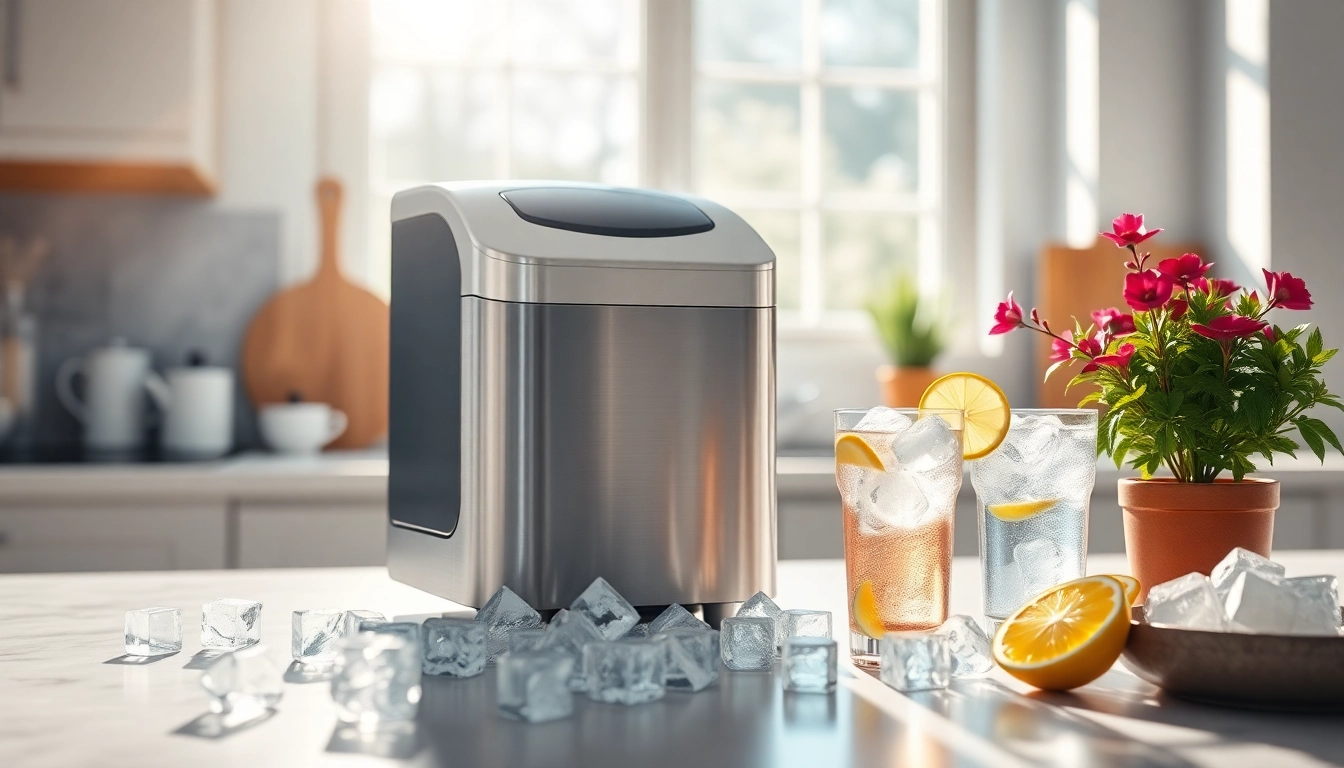
An ice maker is a specialized appliance designed to produce ice automatically. Depending on the model, these machines can produce varying types and sizes of ice, catering to a variety of needs such as cocktails, soft drinks, and even food preservation. Ice makers have revolutionized how we access ice, making it a convenient addition to homes and businesses alike.
Types of Ice Makers Available
Ice makers can be categorized into several types based on their functionality and usage. Here are the main types:
- Countertop Ice Makers: Compact and portable, these machines are ideal for home use or small gatherings. They require minimal space and are easy to set up.
- Built-in Ice Makers: These are designed to be installed in cabinetry, providing a seamless look while having larger capacities. They are perfect for kitchens that frequently host events.
- Commercial Ice Makers: Used in restaurants and bars, these models offer high production rates and can typically produce different sizes of ice consistently.
- Nugget Ice Makers: Known for producing chewable ice, they are popular in cafes and restaurants for iced beverages.
- Portable Ice Makers: These machines can be easily transported and are ideal for camping trips or parties outdoors.
How Ice Makers Work
Ice makers use a refrigeration process to freeze water into ice. Here’s a basic overview of how they function:
- Water Entry: The machine either connects to a water line or is manually filled with water.
- Cooling Cycle: A refrigeration unit cools a metal plate or cylinder where the water freezes. The freezing process begins.
- Harvesting: Once the ice is formed, the unit uses a heating element to slightly melt the ice, allowing it to drop into a storage bin.
- Refill: The process repeats, ensuring a continuous supply of ice.
Choosing the Right Ice Maker for Your Needs
Factors to Consider When Buying
When selecting the right ice maker, consider the following factors:
- Capacity: Determine how much ice you need based on the number of guests or daily usage.
- Size: Ensure the ice maker fits your intended space, especially if you opt for a countertop model.
- Ice Type: Consider the type of ice you prefer – whether traditional cubes, nugget, or flake ice.
- Energy Efficiency: Look for models that are energy-efficient to save on electricity costs.
- Price Range: Set a budget that suits your financial constraints while exploring options.
How to Measure Your Space for an Ice Maker
Before purchasing an ice maker, it’s crucial to measure your available space to ensure a proper fit. Follow these steps:
- Locate Installation Area: Determine where you will place the ice maker, such as on a countertop or within cabinetry.
- Measure Dimensions: Use a tape measure to note the height, width, and depth of that space.
- Check for Ventilation: Ensure there’s enough ventilation around the unit for optimal functionality.
Evaluating Capacity and Ice Quality
Understanding the production capacity of different models is key. Most residential ice makers produce between 25 to 50 pounds of ice daily. Evaluate the ice quality by considering factors like clarity and size, as these elements impact the melting rate in beverages.
Installation and Setup
Preparing Your Kitchen for the Ice Maker
Preparation is essential before installing an ice maker. Here are some tips to consider:
- Assess Plumbing Needs: If opting for a plumbed model, ensure your kitchen can accommodate a water line installation.
- Choose a Suitable Area: Select a spot that allows easy access and is near a power supply.
- Clear the Area: Make sure the designated area is clean and free from obstructions.
Step-by-Step Installation Process
The installation process varies by model, but here is a generic guide:
- Connect Water Supply: If using a water line, attach it securely to the ice maker.
- Plug in the Unit: Place the ice maker in the prepared area and connect it to a power source.
- Test the Machine: Turn on the ice maker and check for proper operation, including the filling and harvesting process.
Common Installation Mistakes to Avoid
To ensure a smooth installation, avoid these pitfalls:
- Overlooking Leveling: Ensure the unit is level for proper ice production.
- Ignoring Manufacturer Guidelines: Always refer to the user manual for specific installation instructions.
- Neglecting Drainage: For models that require drainage, ensure proper drainage placement to avoid leaks.
Maintaining Your Ice Maker
Regular Cleaning Practices
To maintain optimal performance, cleaning is crucial. Here are regular cleaning practices to follow:
- Daily Rinse: Empty the ice bin regularly to prevent build-up and hygiene issues.
- Deep Cleaning: Every few months, use a mixture of warm water and vinegar or a designated cleaner to scrub the interior.
- Check Filters: If applicable, inspect and clean or replace water filters as needed.
Troubleshooting Common Issues
Even the best ice makers can encounter issues. Here are common problems and their solutions:
- No Ice Production: Check the water supply and ensure the machine is plugged in. Reset the ice maker if needed.
- Ice Tastes Bad: This might suggest a dirty water line; replace the filter and clean the unit.
- Irregular Ice Sizes: This could indicate an issue with the water temperature; ensure it is set at the right temperature.
Extending the Lifespan of Your Ice Maker
To prolong the lifespan of your ice maker, follow these best practices:
- Regular Maintenance: Consistent cleaning and maintenance checks can significantly enhance longevity.
- Proper Usage: Avoid overloading the ice bin beyond its capacity, as this can hinder performance.
- Inspection: Periodically inspect electrical cords and water lines for wear or damage.
Frequently Asked Questions
Is it worth buying an ice maker?
Investing in an ice maker can save time and money by eliminating store-bought ice costs and ensuring a steady supply for gatherings and everyday refreshment.
What types of ice can an ice maker produce?
Ice makers can produce various types of ice, including traditional cubes, nugget ice, and flaked ice, catering to different preferences and uses.
How much ice can an ice maker produce daily?
Daily production varies widely, with residential ice makers typically producing between 25 to 50 pounds of ice daily, depending on the model’s capacity.
Do ice makers require a water line?
Some models require a direct water connection, while portable versions only entail manual filling. Assess your setup before purchasing to suit your needs.
How do I clean my ice maker?
Cleaning involves using warm water and vinegar or a commercial cleaner to scrub the unit inside thoroughly. Follow the manufacturer’s cleaning guidelines for the best results.